Rebuilding ProtoPie's website into a scalable operations platform
At a glance
0
Pages migrated
Across four global locales with no disruption to live campaigns.
0
Deployment time
Publishing shifted from engineering-led releases to self-service updates
0
Stakeholders interviewed
Across marketing, product, sales, engineering, and leadership

The 30-Second Version
A quick note before you keep scrolling
ProtoPie's website looked like a marketing site, but it was actually running the business. Every content update depended on engineering, which meant a two week wait between a decision and a live page. I designed the information architecture and reusable component system, then led the CMS planning so marketing, product, and sales could publish on their own. The result scaled to 200+ pages across four locales with no disruption to live campaigns.
I Owned
- UX strategy & stakeholder research
- Information architecture & CMS planning
- Component & template system design
- Flagship landing pages (ProtoPie AI, User Testing)
Built Alongside
- Engineering: CMS build and technical implementation
- Marketing, Product & Sales: content ownership post launch
Understanding the real problem
It looked like a marketing site. It was actually running the business.
When I joined ProtoPie, the website appeared to be a traditional marketing site. After interviewing stakeholders across the organization, I realized it had evolved into a critical platform supporting product launches, enterprise sales, customer education, localization, and marketing campaigns.
Despite its importance, publishing new content or updating existing pages still depended heavily on engineering.
Before
After
Engineering dependency removed
Teams can publish independently and faster.
Designing for systems, not pages
Four principles guided every design decision, ensuring the platform could scale well beyond the initial redesign.
The research showed the core problem wasn't visual inconsistency, it was operational complexity. I designed around four principles: publish without engineering, build once and reuse everywhere, balance flexibility with governance, and optimize for long-term operations.
Publish without engineering
Wherever possible, remove the dependency on dev cycles for content updates.
Build once, reuse everywhere
Modular components instead of one-off page builds per campaign.
Flexibility with governance
Teams tell different stories without breaking visual consistency.
Optimize for operations
Success wasn't measured by launch day, but by how efficiently teams could continue publishing afterward.
Continuous iteration after launch
Launch wasn't the finish line, it was the start of the feedback loop.
As teams adopted the new workflows, I kept gathering feedback from the people publishing on the platform every day. Real usage exposed opportunities in content-editing workflows, component flexibility, accessibility, and performance.
Implementation
From strategy to shipped pages, end to end.
I led the initiative end-to-end — UX strategy, stakeholder research, information architecture, component and template system design, CMS planning, high-fidelity UI, and Framer implementation — in close collaboration with engineering. I personally designed and implemented the flagship landing pages for ProtoPie AI Prototyping and ProtoPie User Testing.


Outcomes
The redesign shifted the website from a collection of marketing pages into a scalable operational platform. Teams could publish content independently, launch campaigns faster, maintain consistency across four locales, and reuse templates instead of rebuilding pages from scratch.
Reflection
This project highlighted that internal workflows deserve the same user-centered design as customer-facing products. To resolve team preferences for bespoke, one-off layouts, I fostered cross-functional alignment by demonstrating that a shared component library and structured CMS offered the fastest path to publishing autonomy. By framing system constraints as design accelerators rather than limitations, we prioritized speed and consistency over pixel tweaks. Ultimately, shifting our culture toward optimizing internal tools proved that great UX doesn't just improve interfaces—it directly unlocks team velocity and organizational growth.
Thanks for taking the time to explore this case study ✨
You may also like
A quick look at how that same problem-solving shows up across AAA games, SaaS, and marketing.
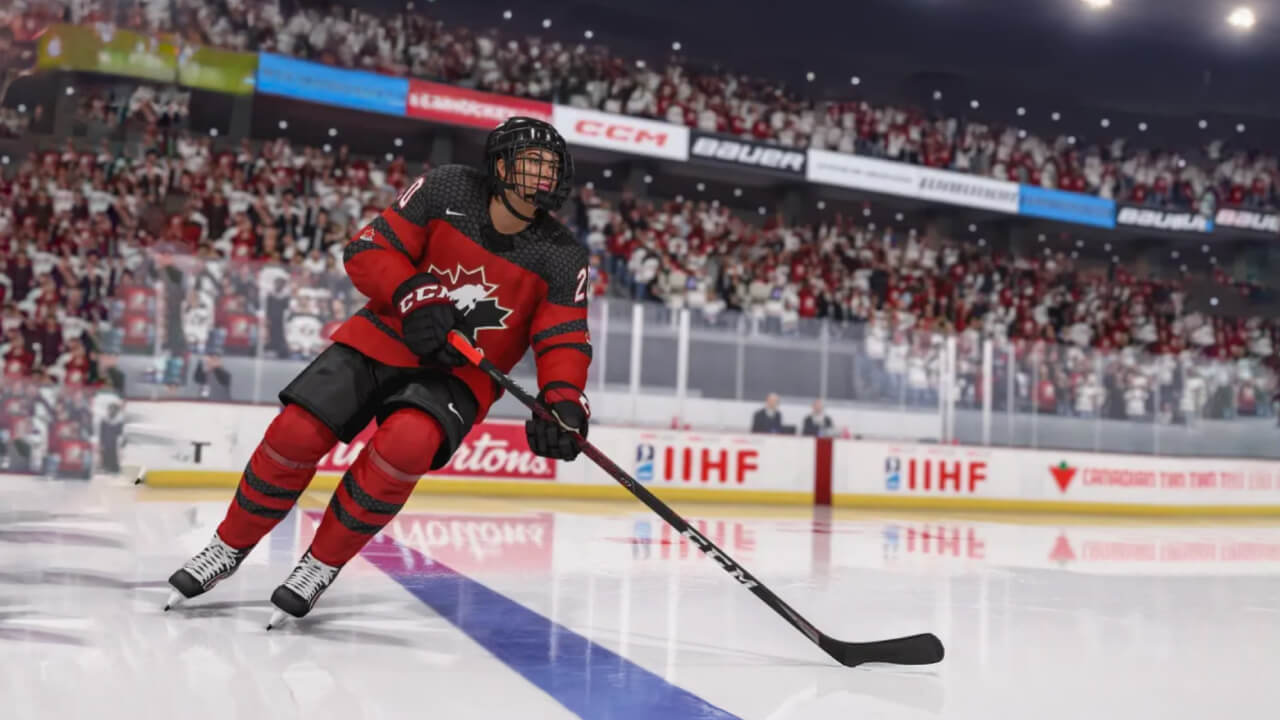
NHL Live Ops
Rebuilt a Photoshop-based content pipeline into a Figma system for daily/biweekly live-service drops, cutting turnaround and errors.
Read case study
Bringing coherence to EA Play
Designed a system for EA Play that streamlined cross-franchise live-service publishing, cutting integration turnaround times and errors.
Read case study
Gears of War Esports
Graphic and motion design for in-game events, challenges, and cosmetic drops.
Read case study