Visual design & 3D exploration
This design case is from my experience at
Personal Project
Role
Visual Designer / 3D Artist
Industry
Visual Design
Active team
Date
Ongoing
Outcome
Practicing visual craft beyond comfort zones
This project is a collection of self-initiated 3D and visual studies created to intentionally strengthen my fundamentals across modeling, lighting, materials, and rendering. Rather than focusing on a single product or brief, each study was designed around a specific learning goal, whether that was understanding clean topology, exploring stylized versus realistic forms, or using lighting to shape mood and composition. These studies gave me the space to explore those challenges freely, while still grounding the work in real production considerations such as clarity, consistency, and performance-aware decision-making.
My role
I owned each study end to end, from defining the goal and visual direction to modeling, refining forms, setting up lighting, and producing final renders.
Collaboration
While these were solo projects, I occasionally validated decisions through informal feedback from designers and developer perspectives.
Tools & methods
I used Autodesk Maya with Arnold for lighting and rendering, and Photoshop and Illustrator for texture polish, color adjustments, and final presentation.
The challenge
Across these studies, I intentionally worked outside my usual comfort zone, switching between stylized and more realistic objects and moving from single assets to full scenes. The challenge was maintaining visual clarity and cohesion while adapting my approach with each new goal. Each project sharpened my ability to balance form, silhouette, and material response under light. Small changes to edges, proportions, or lighting often had a big impact on how an object read, and learning to spot and control those moments became the core of the work.
The process
Research & ideation
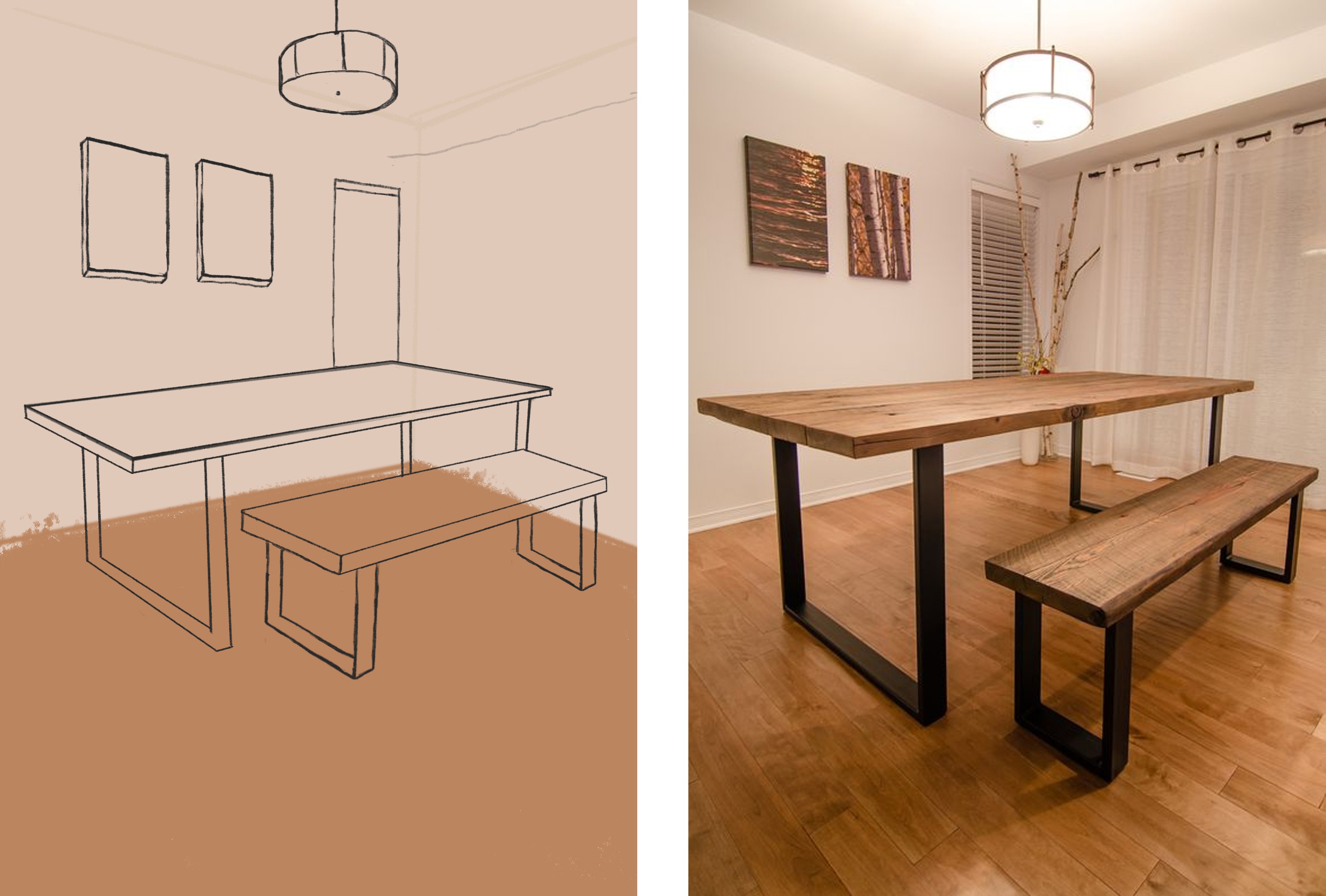
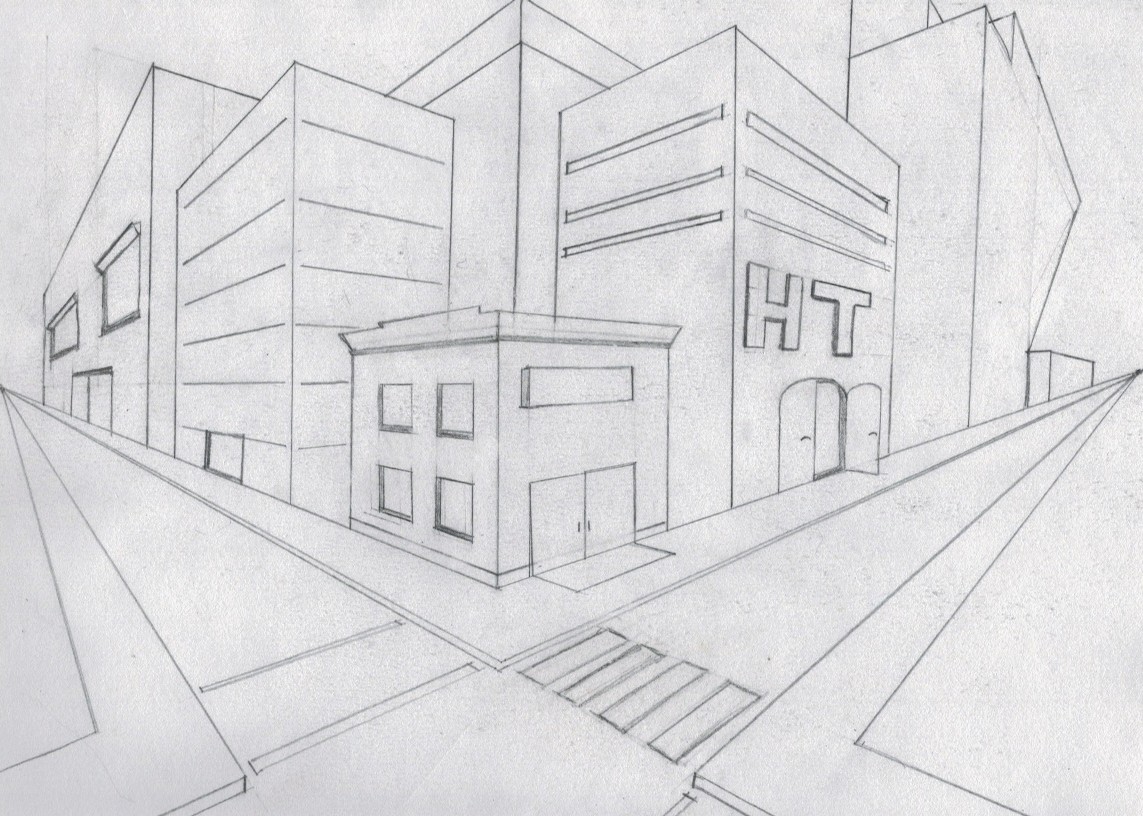
Research was lightweight and visually driven. I studied real-world objects, stylized game assets, icon systems, and illustrative references to understand how form, proportion, color, and lighting contribute to readability, mood, and clarity. Instead of formal documentation, insights were translated directly into modeling, painting, and icon experiments, allowing learning to happen through iteration and comparison.
Exploration & conceptualization
Exploration was the core of this work. I moved between 3D modeling, digital painting, and icon creation, blocking scenes in Maya, testing lighting, iterating on forms, and refining painted and symbolic assets to understand how shape, color, and surface detail affect readability and mood. Some studies focused on realism and proportion, while others leaned into stylization to explore personality and clarity. Each study emphasized learning through making, building, adjusting, and refining until the visual intent became clear.
Iteration & refinement
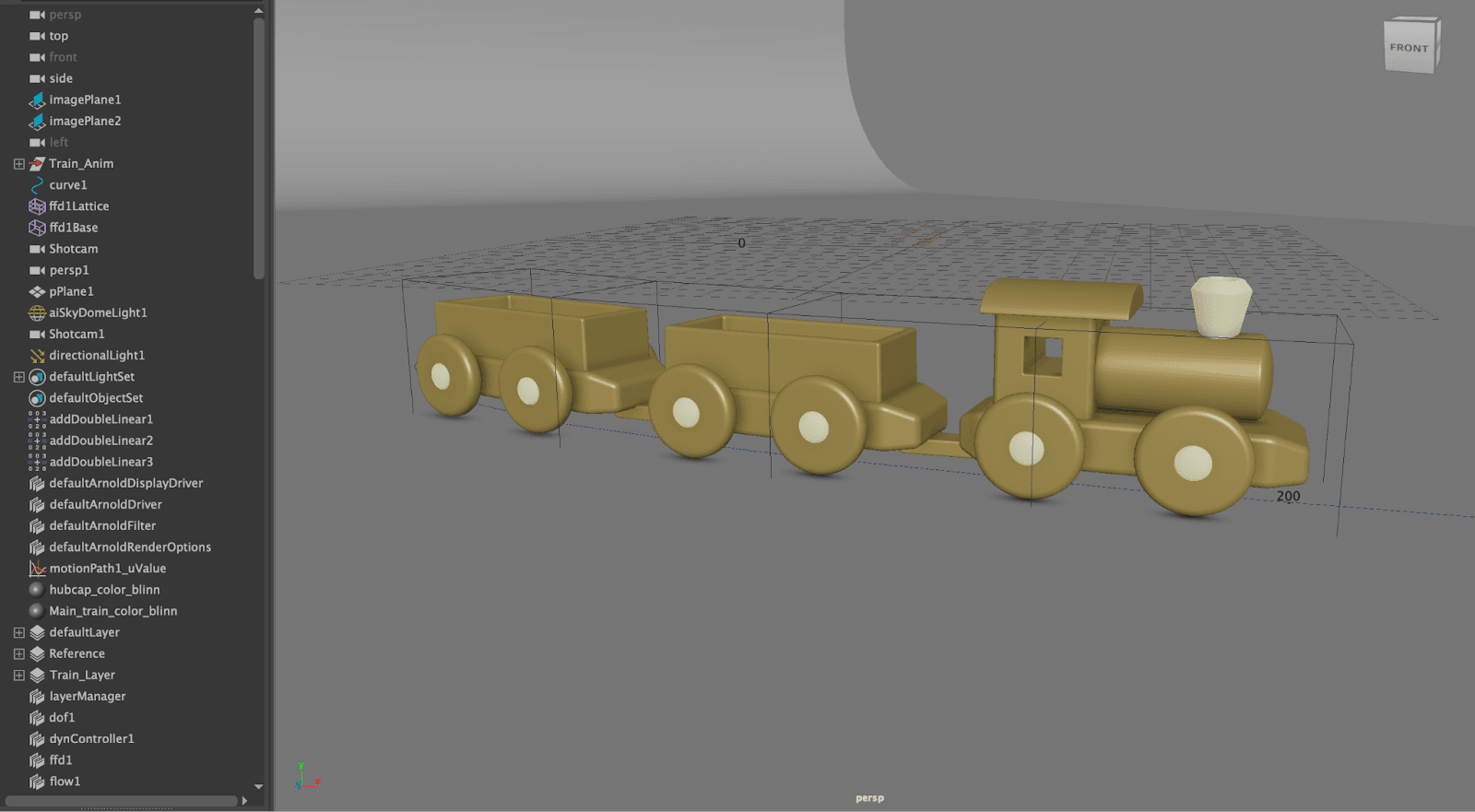
Refinement focused on improving form clarity, surface quality, and visual balance. I simplified geometry where detail didn’t add value, adjusted edge softness to improve highlights, and refined lighting to better support the intended mood. Iteration was guided by visual clarity and cohesion rather than feature complexity.
Delivery & implementation
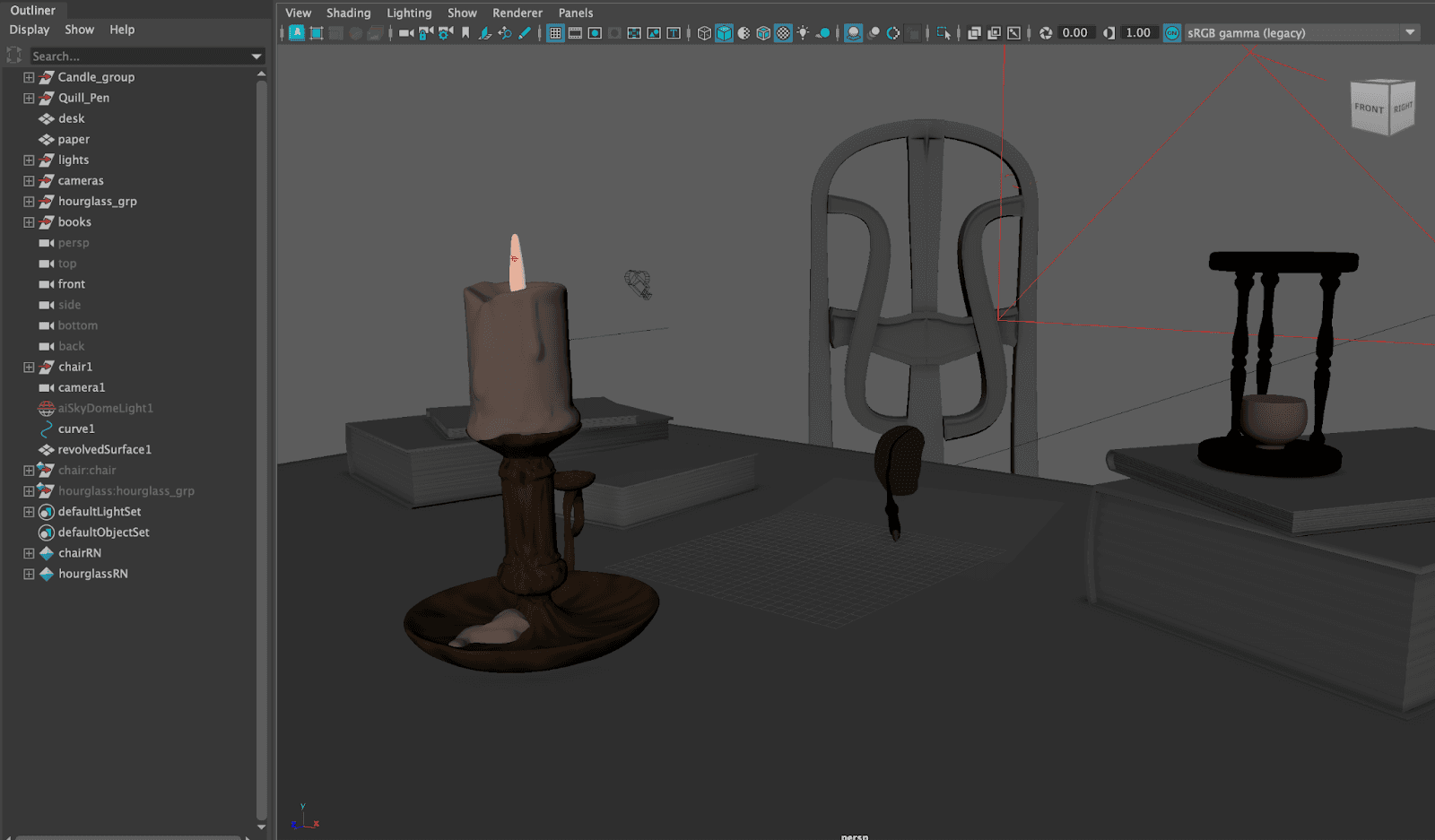
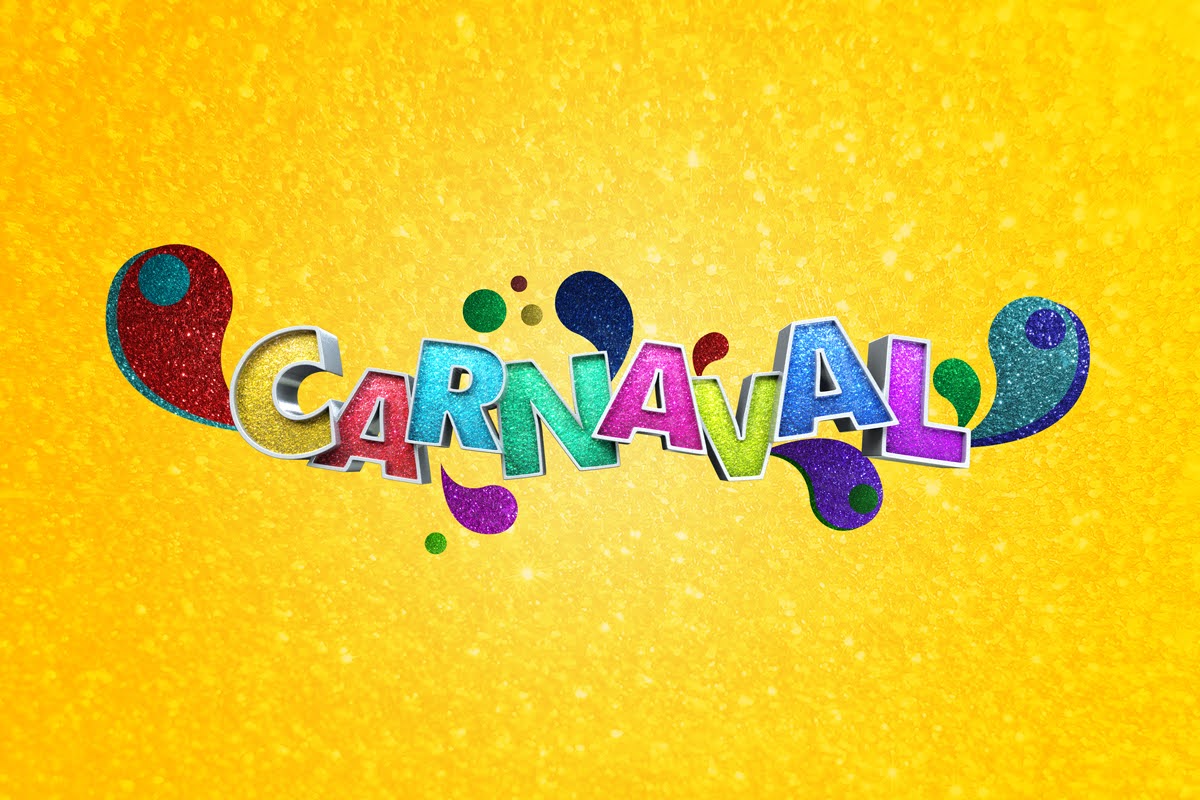
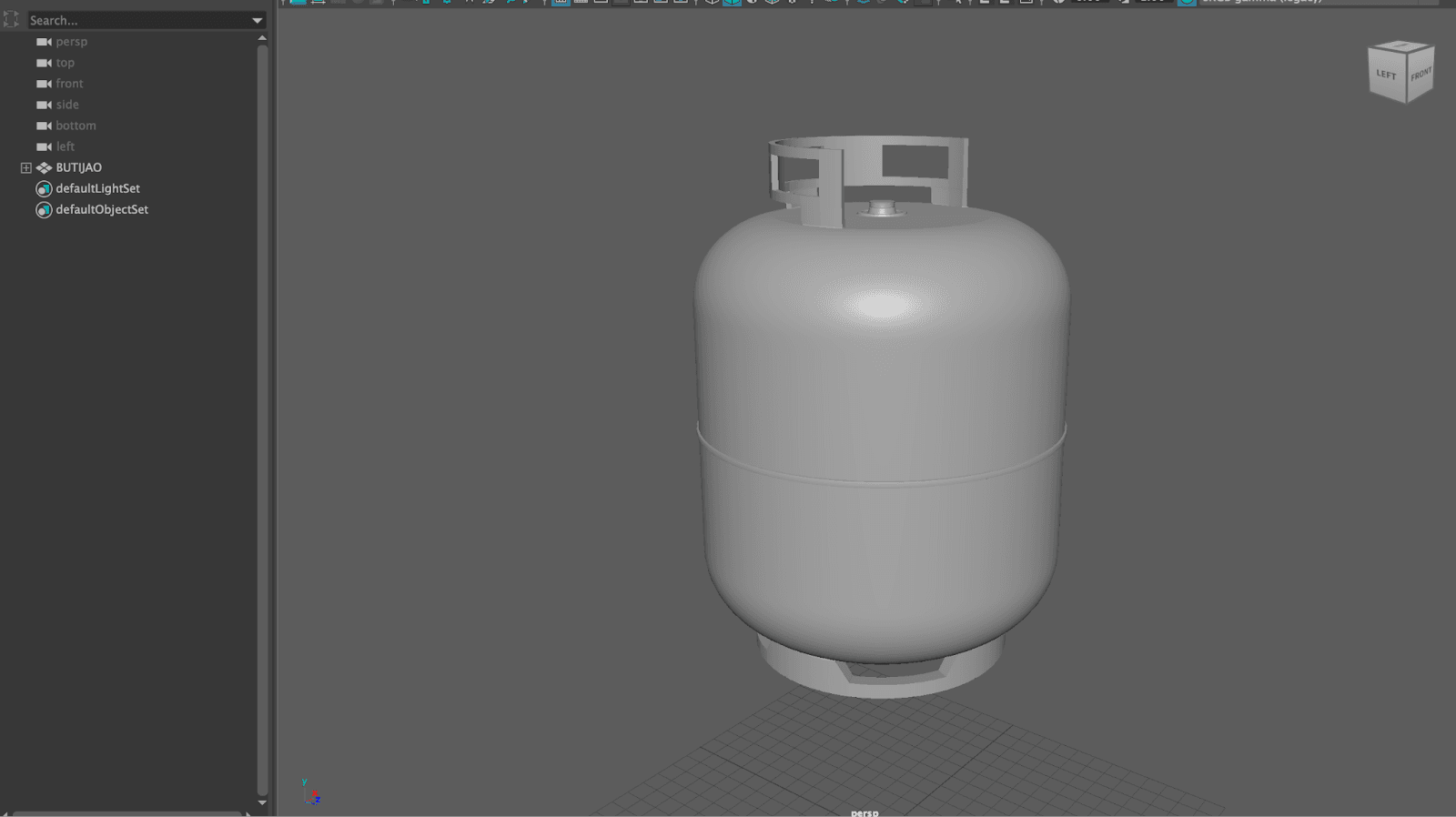
Final outputs included fully modeled 3D objects and scenes, clean viewport and clay-style views, final Arnold renders with intentional lighting, as well as digital painting studies and custom icon explorations. Together, these pieces showcase a range of visual craft (from form and lighting to illustration and symbol design) all polished for portfolio presentation. While these projects were not built for a specific engine, they were created with production awareness in mind, prioritizing clean forms, readable silhouettes, and consistent visual logic across both 3D and 2D work.
Visual work & highlights
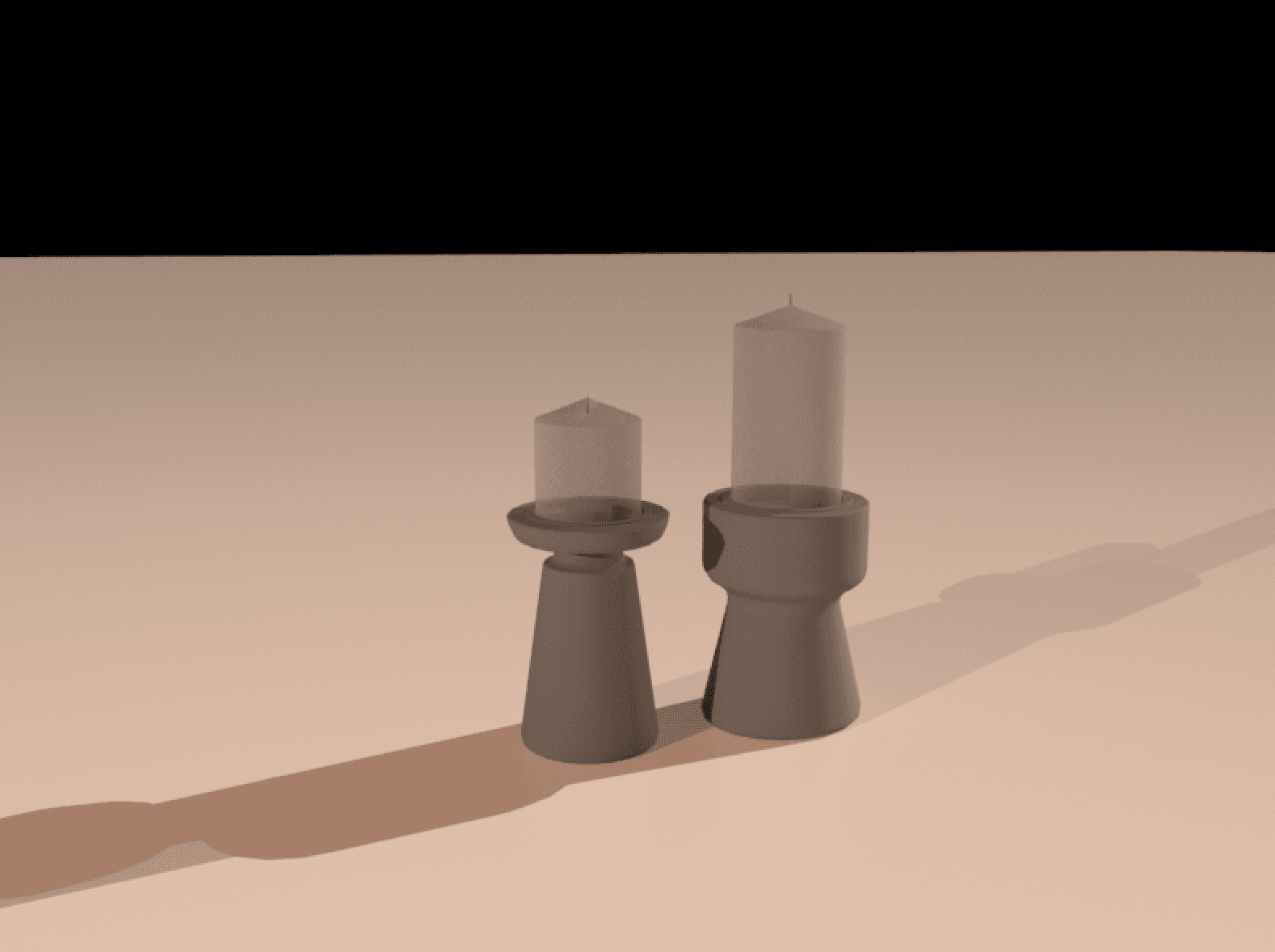
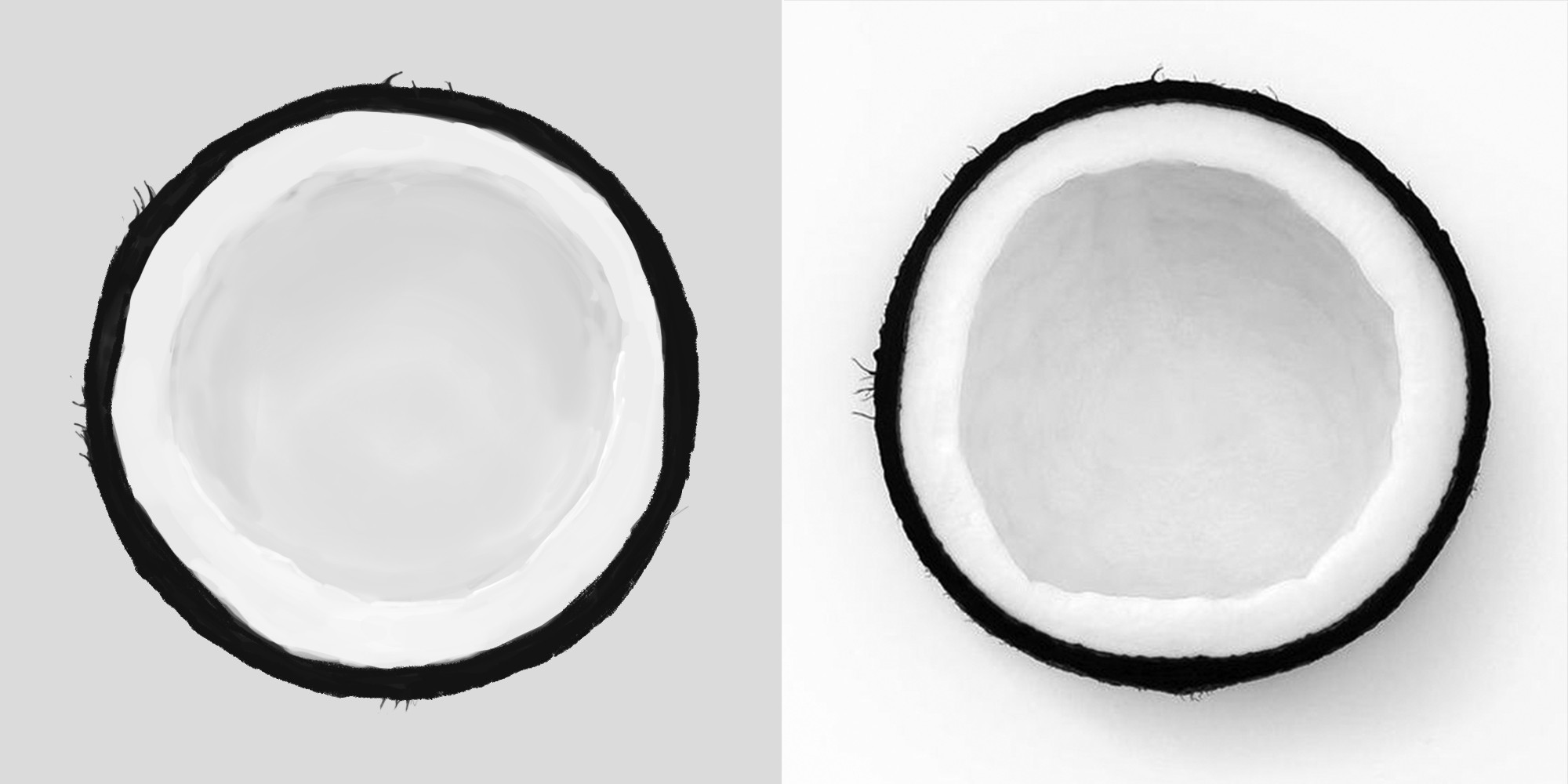
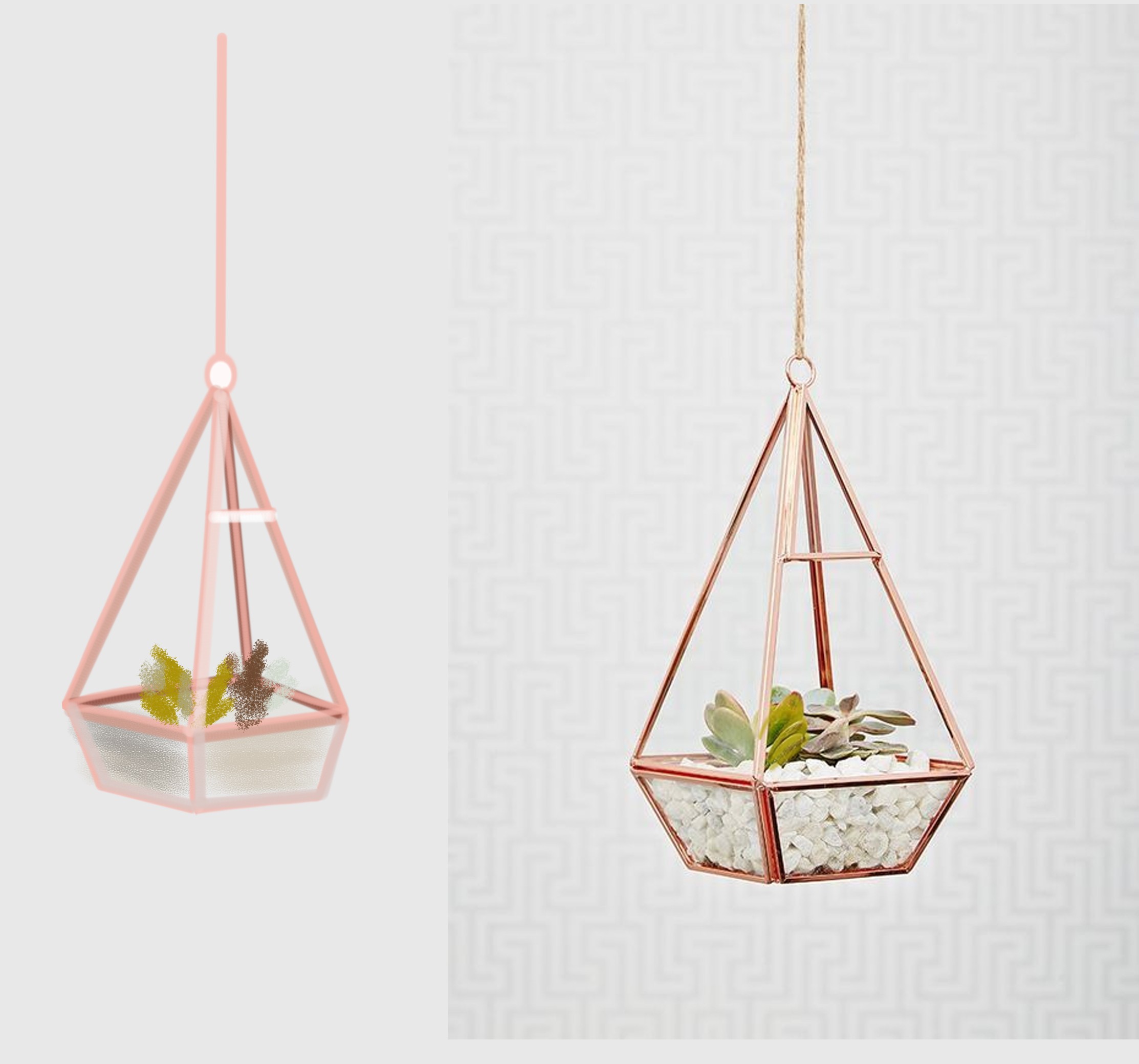
3D modeling & rendering
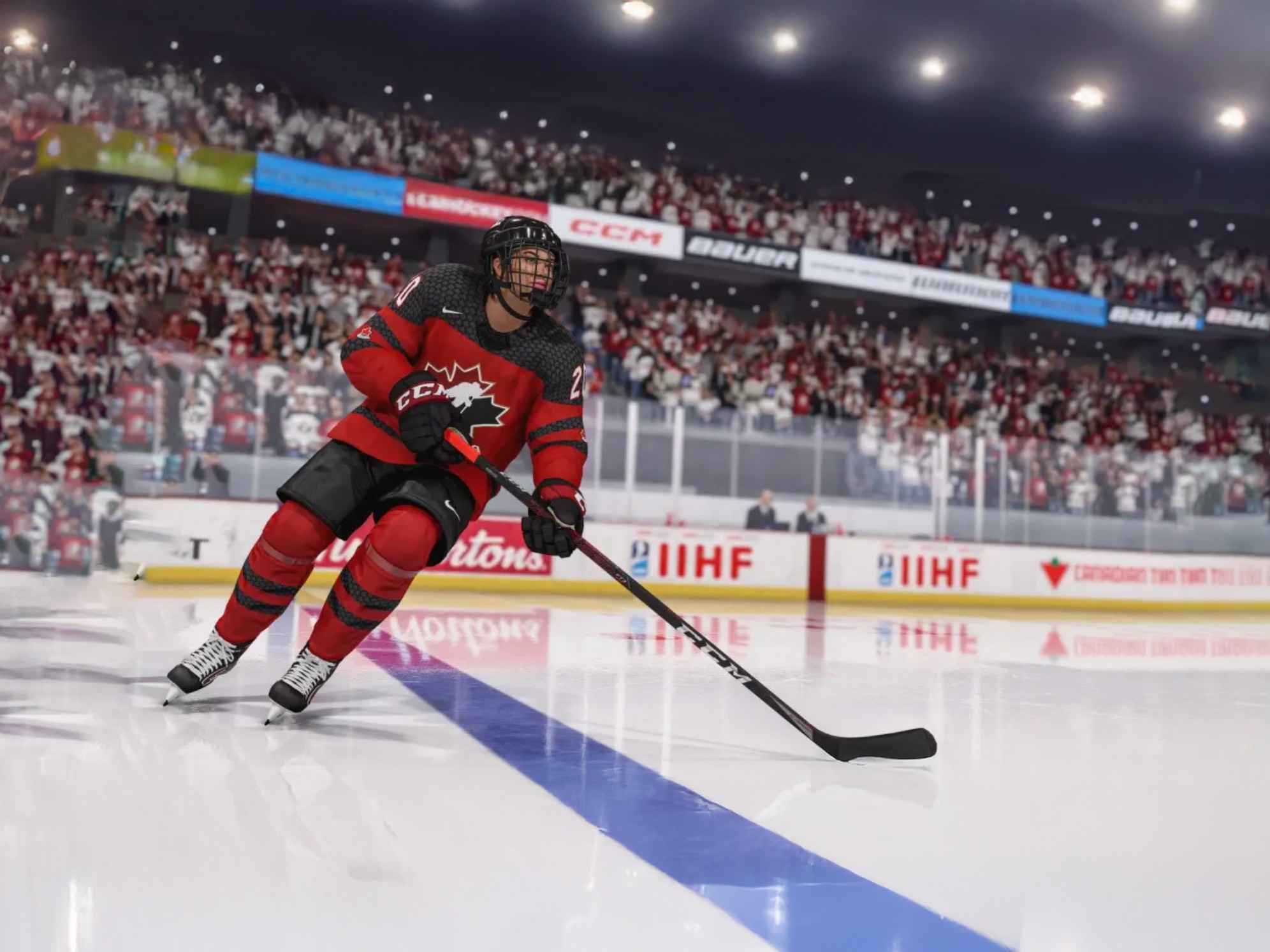
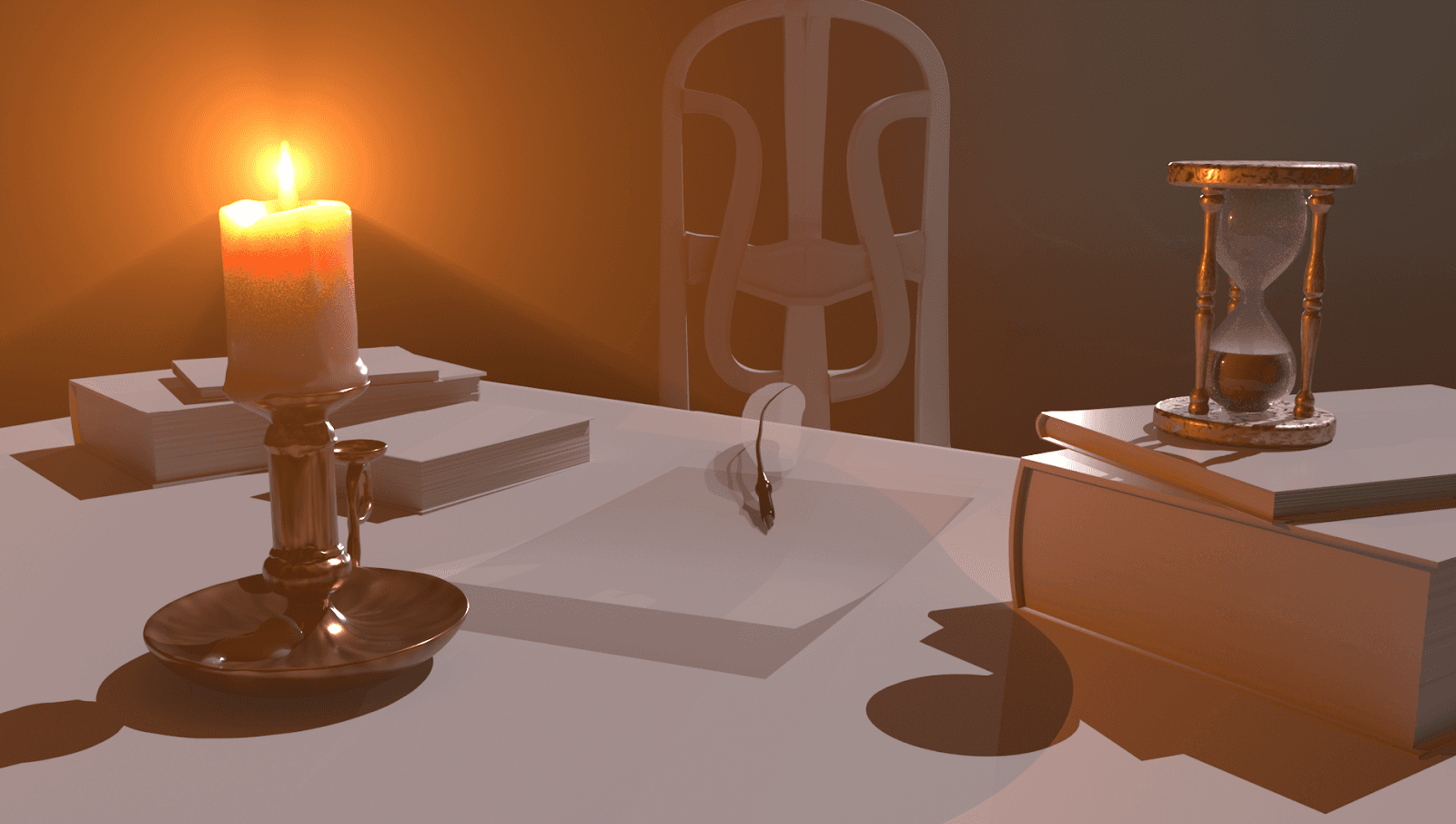
Exploring form, proportion, and lighting through fully modeled 3D scenes and objects.
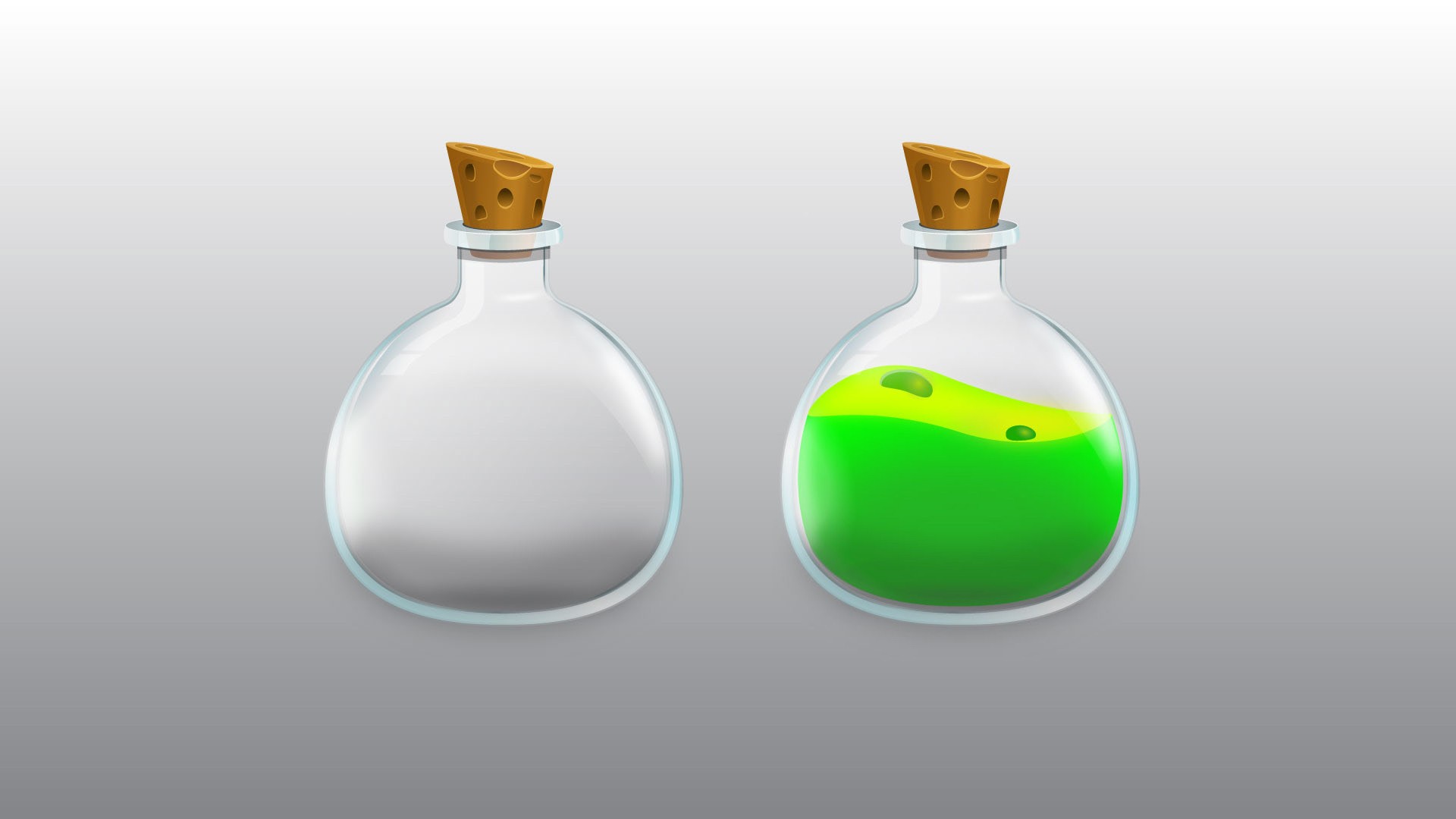
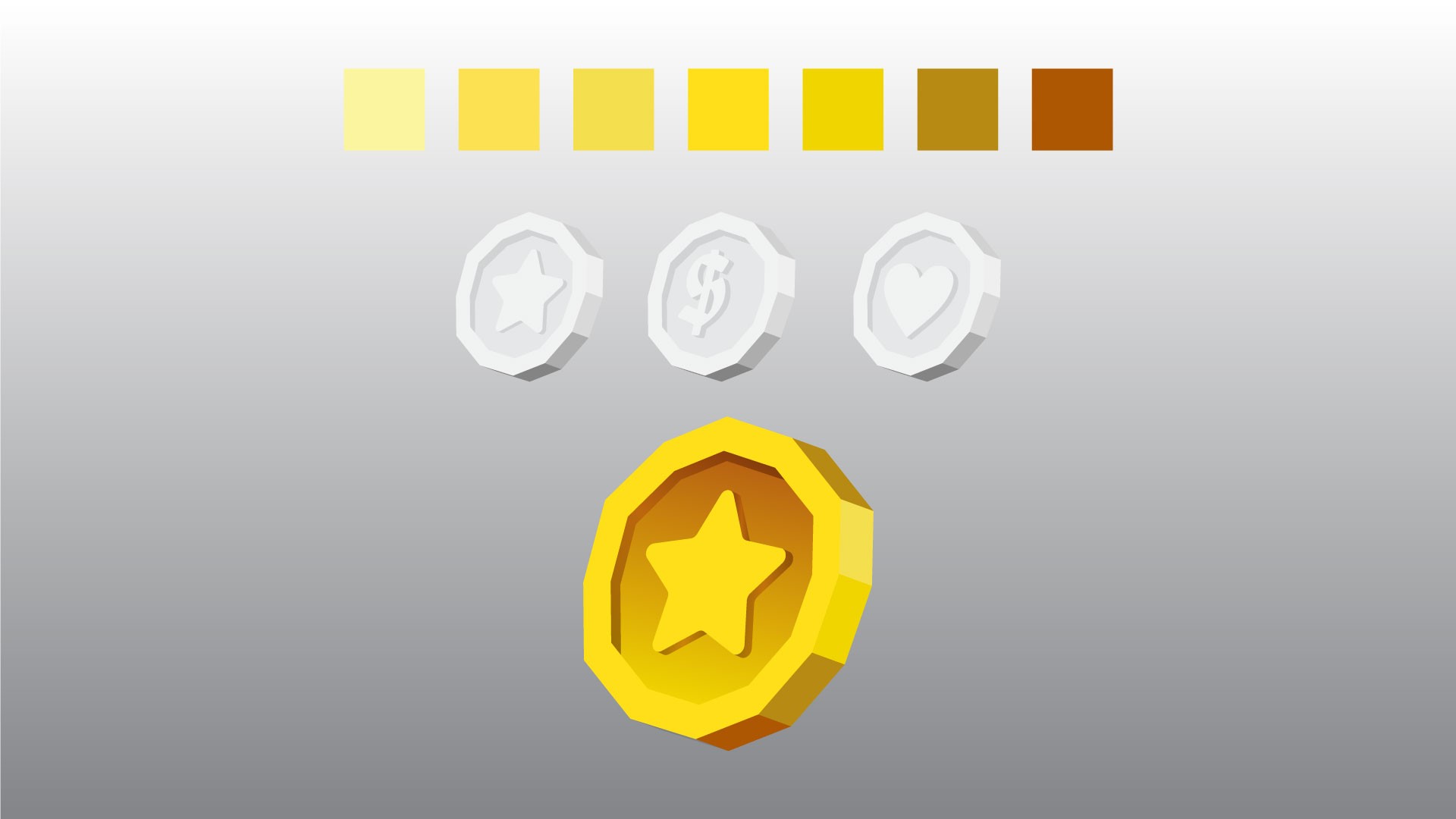
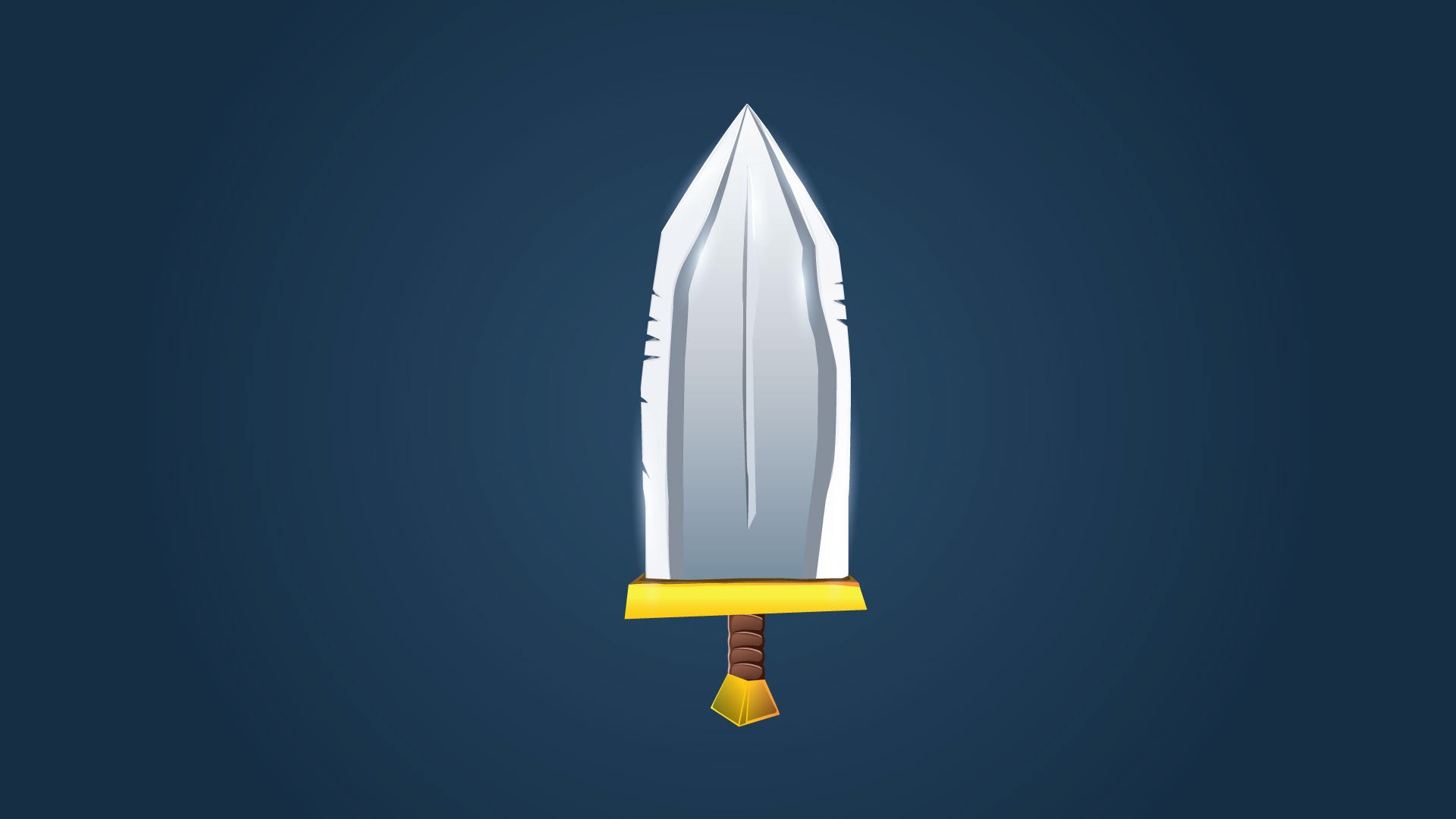
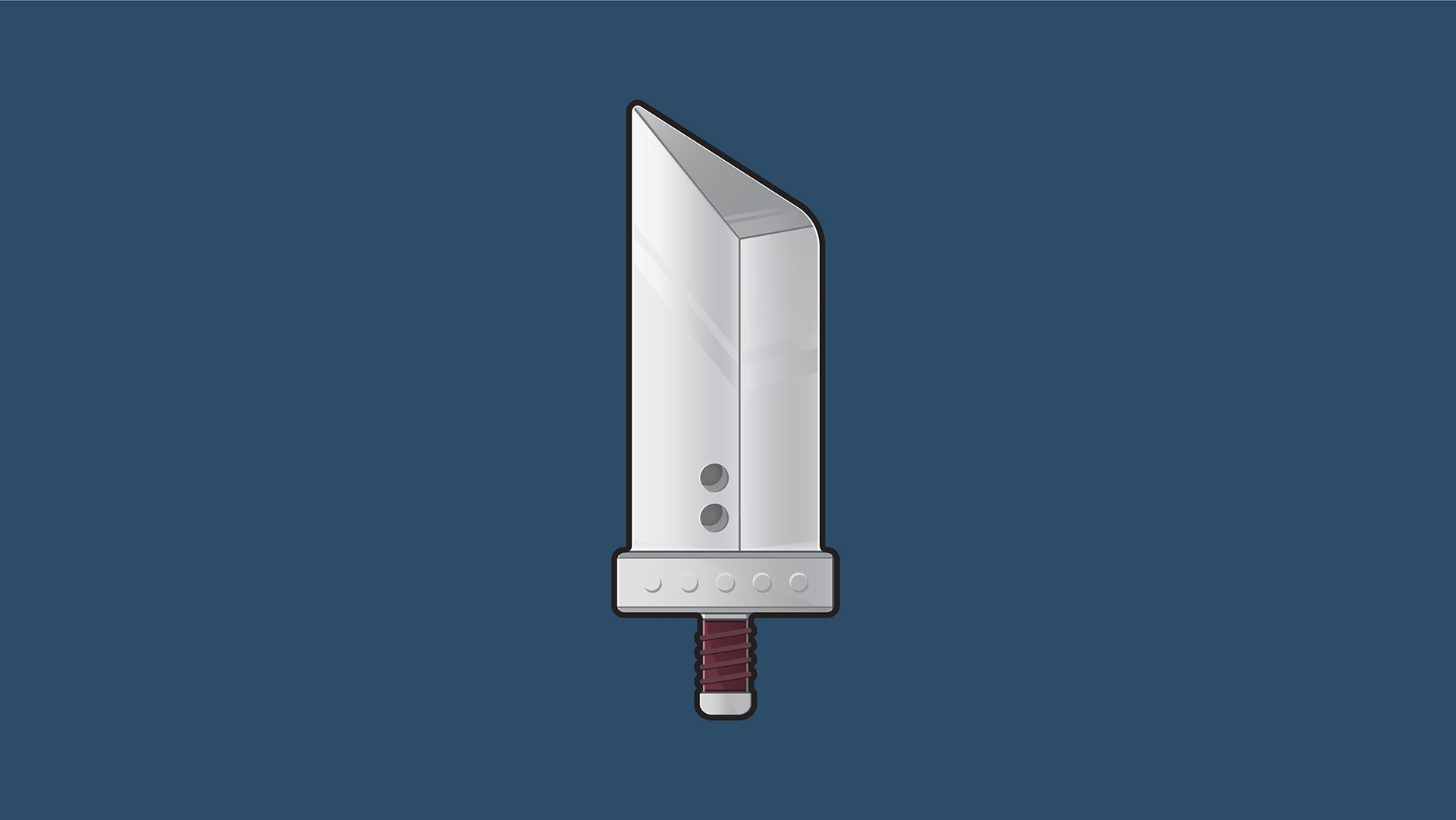
Icon & visual asset studies
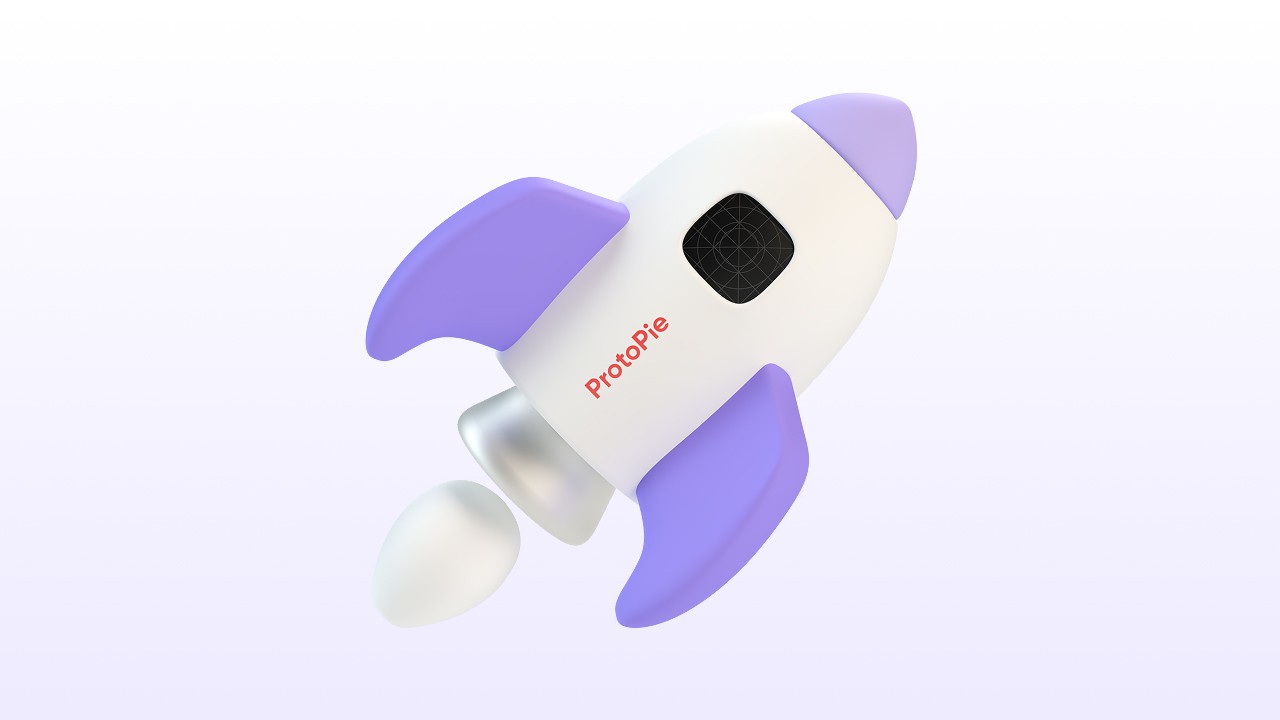
Icon studies focused on silhouette clarity, consistency, and readability at small sizes.


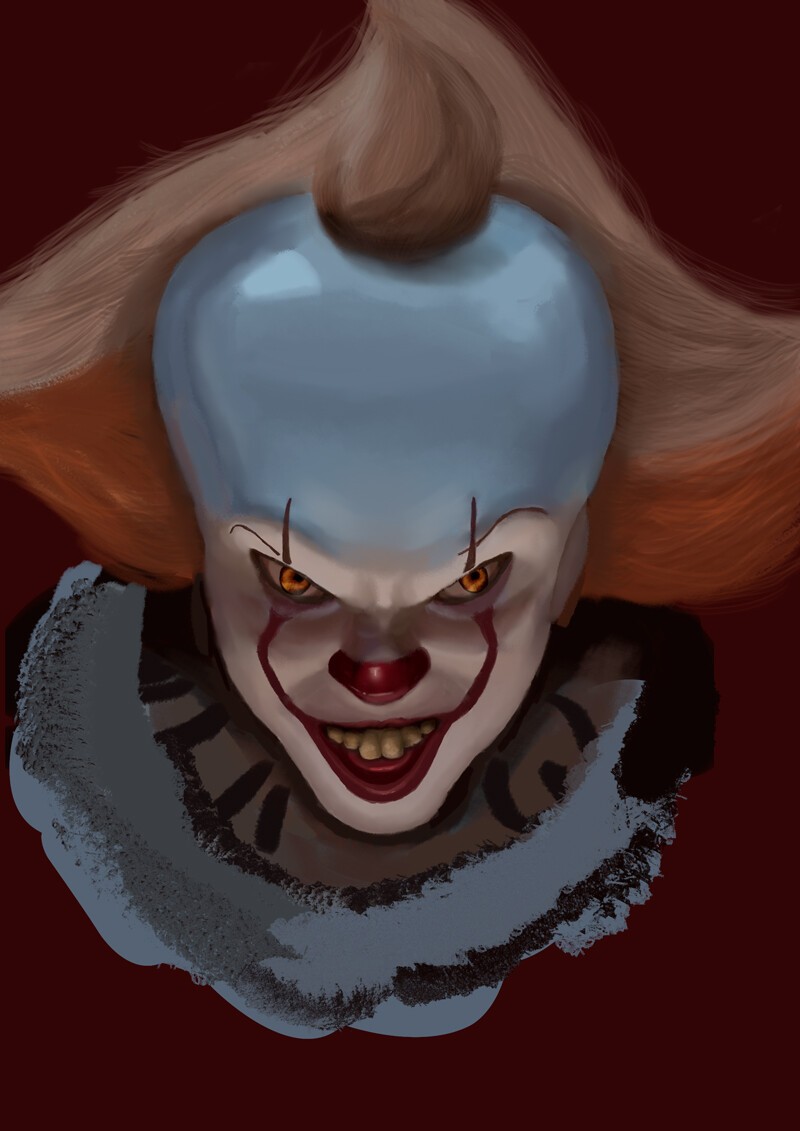
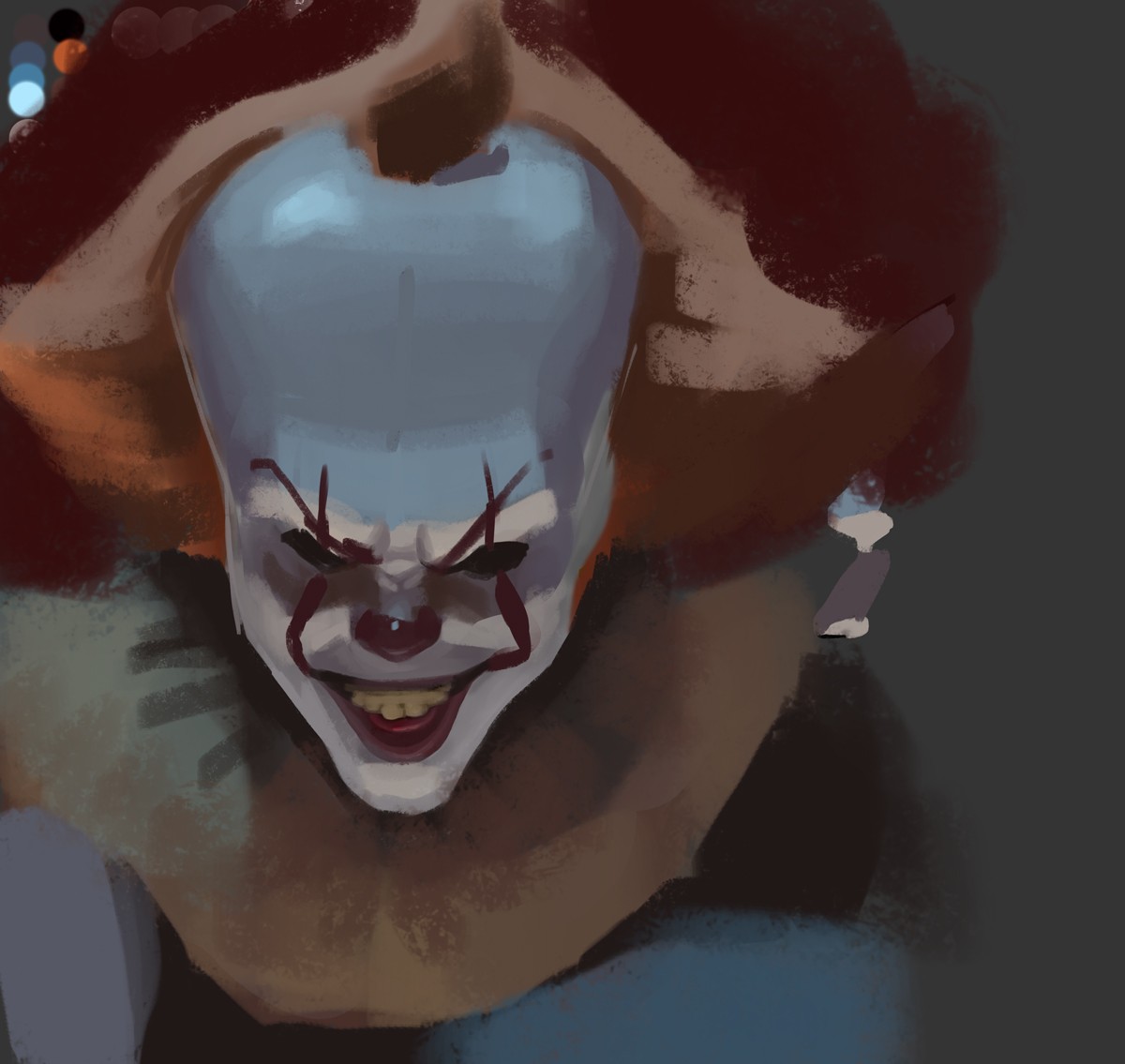
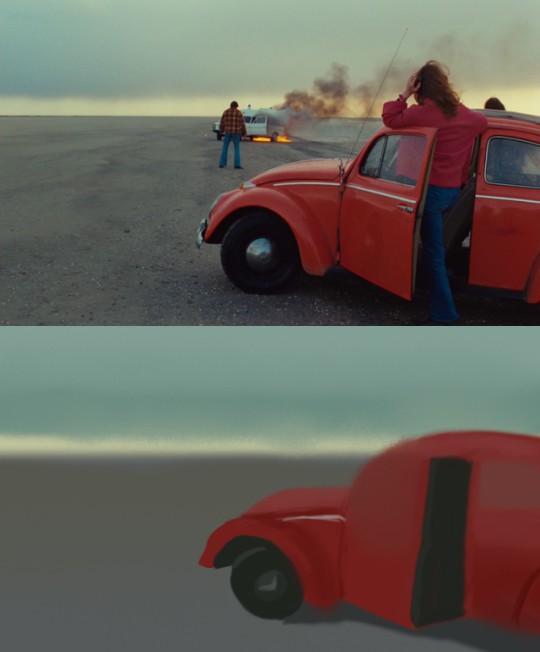
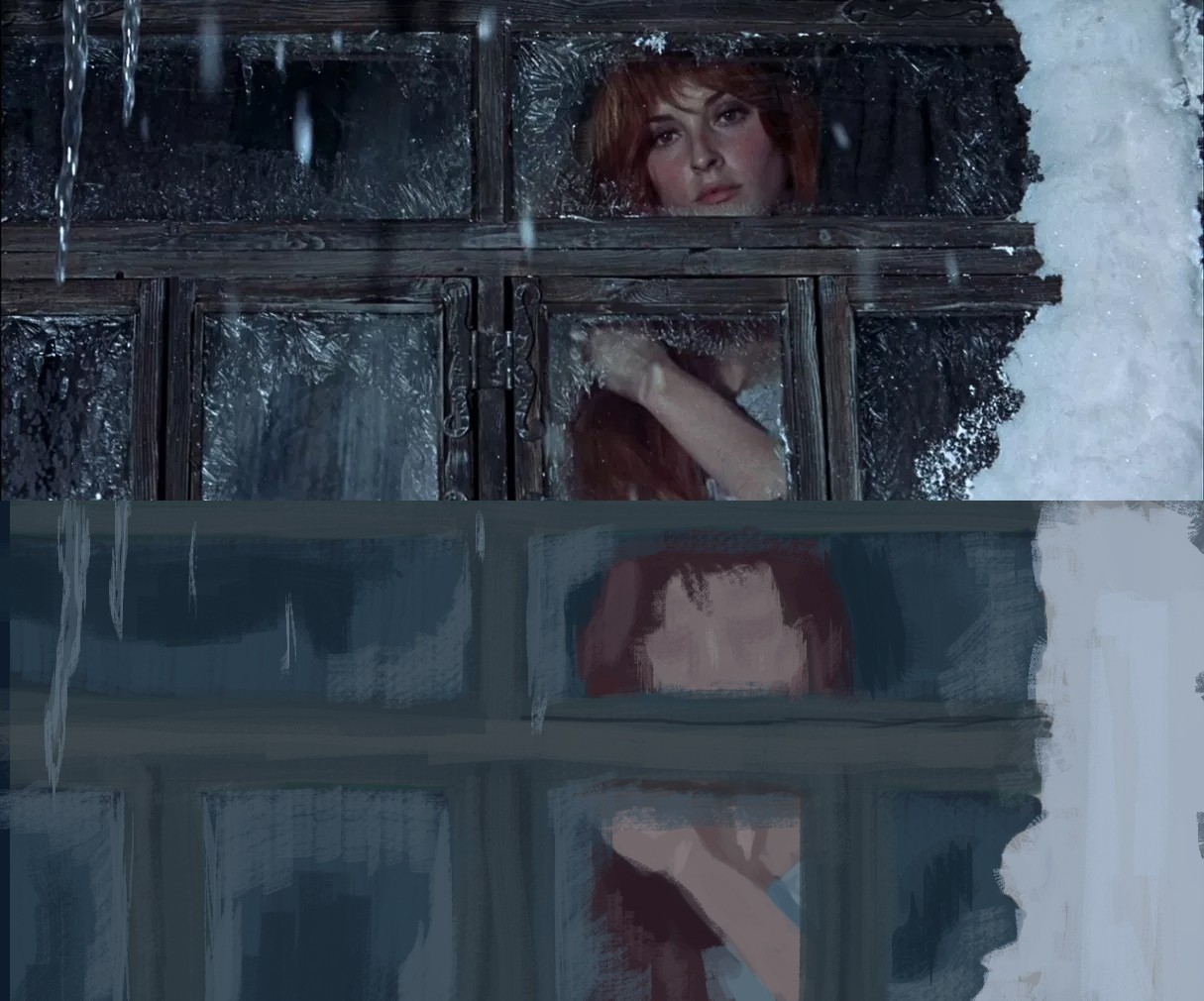
Digital painting study
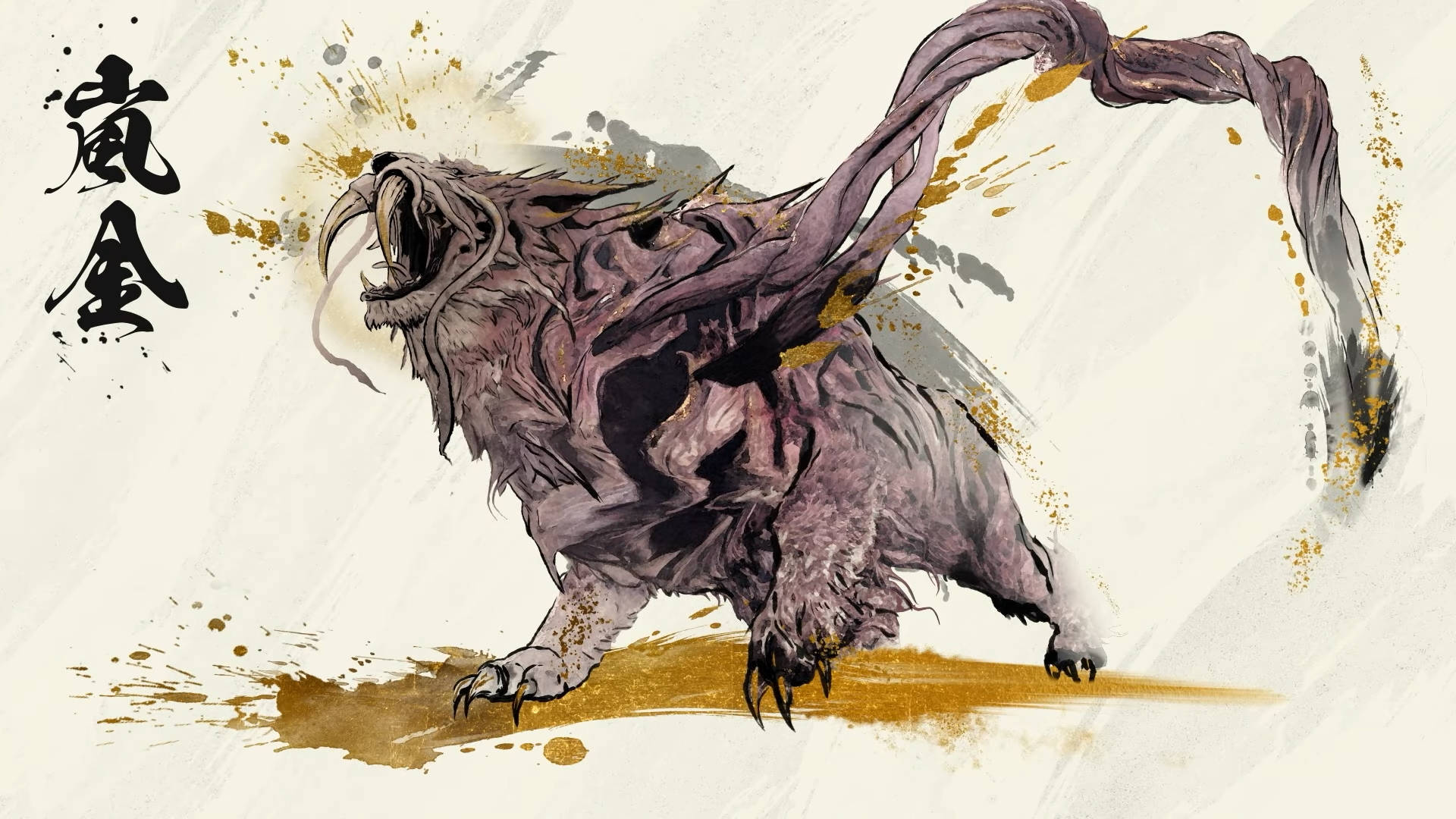
Digital painting exploration focused on mood, expression, and visual storytelling.
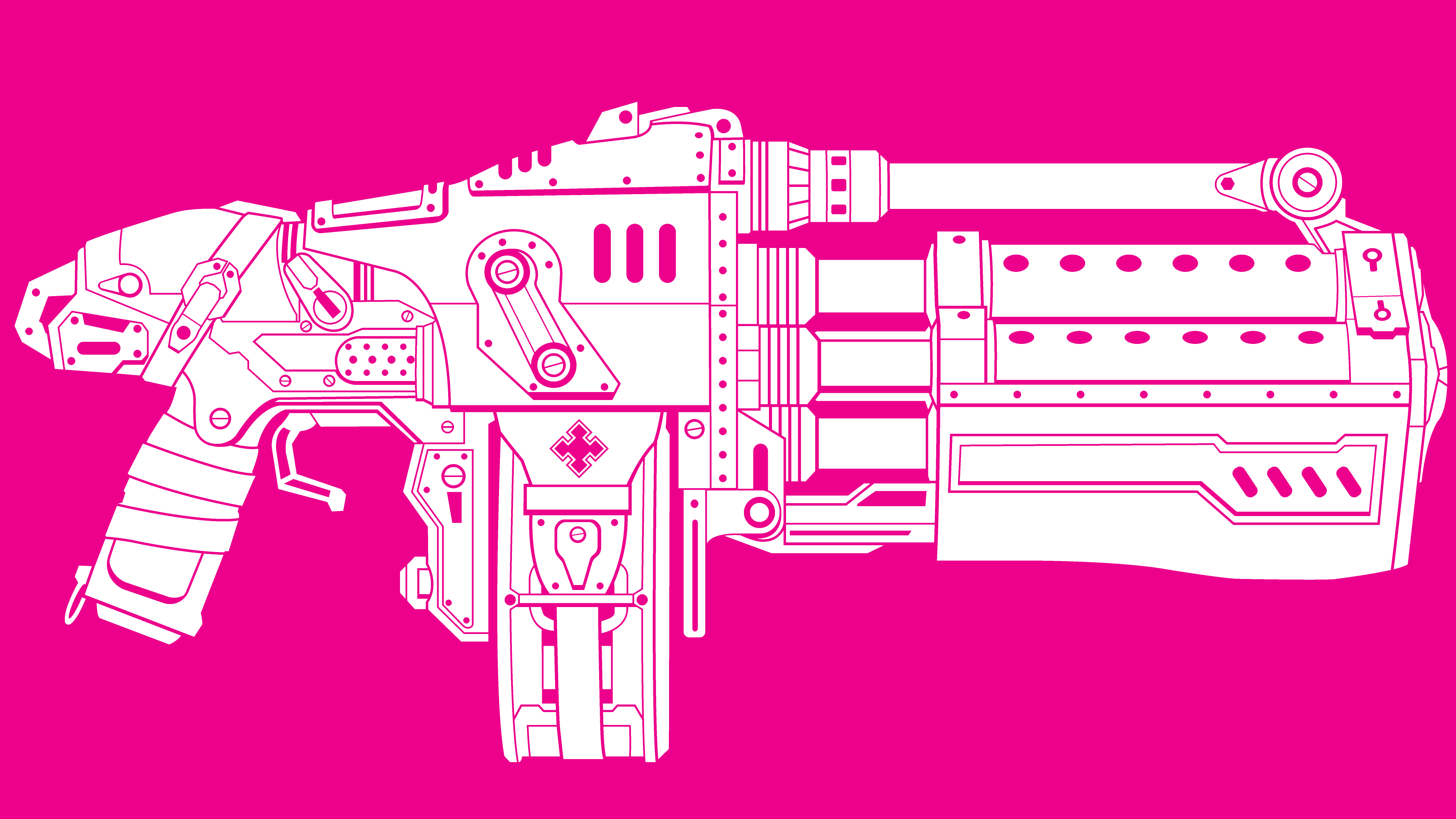
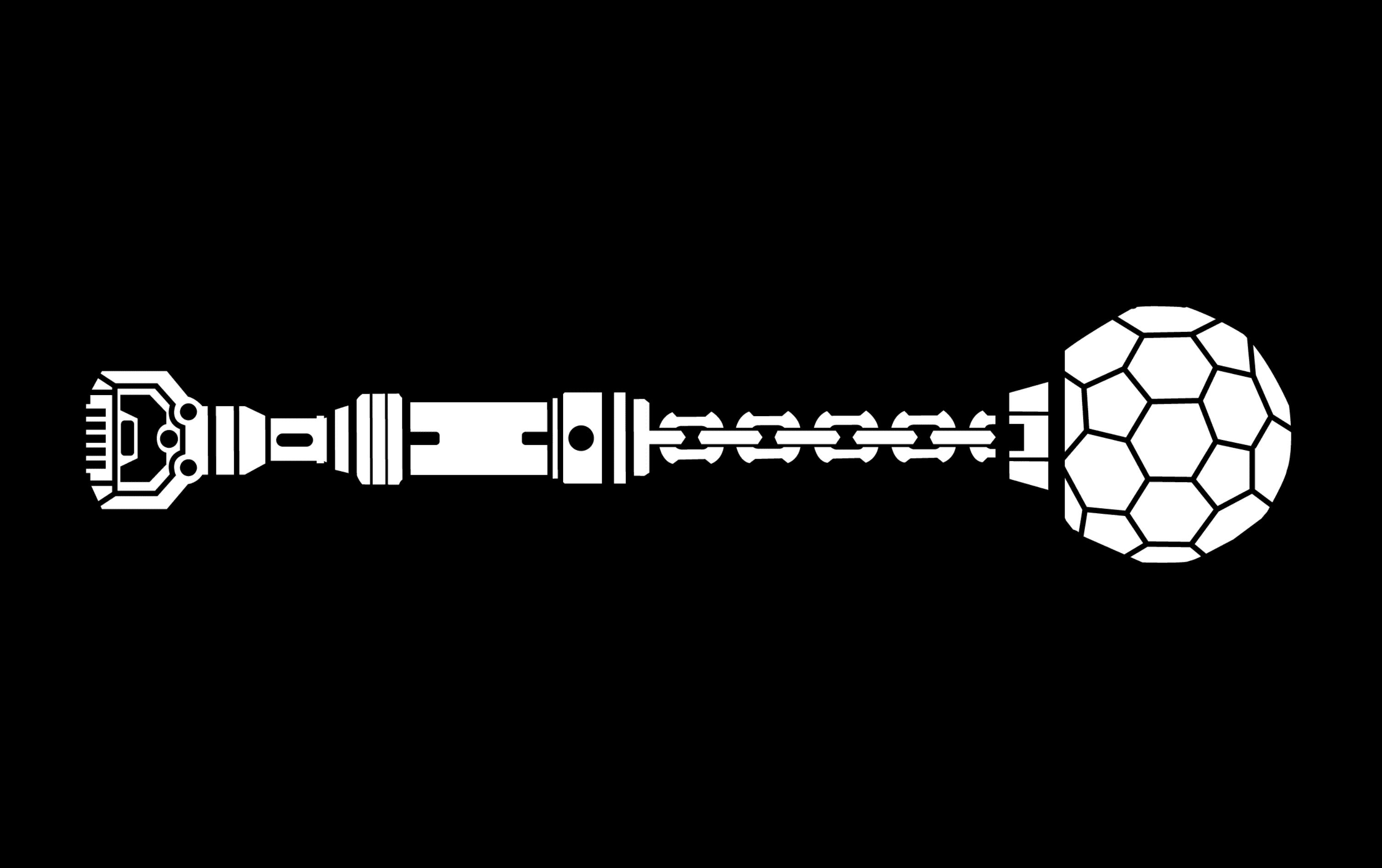
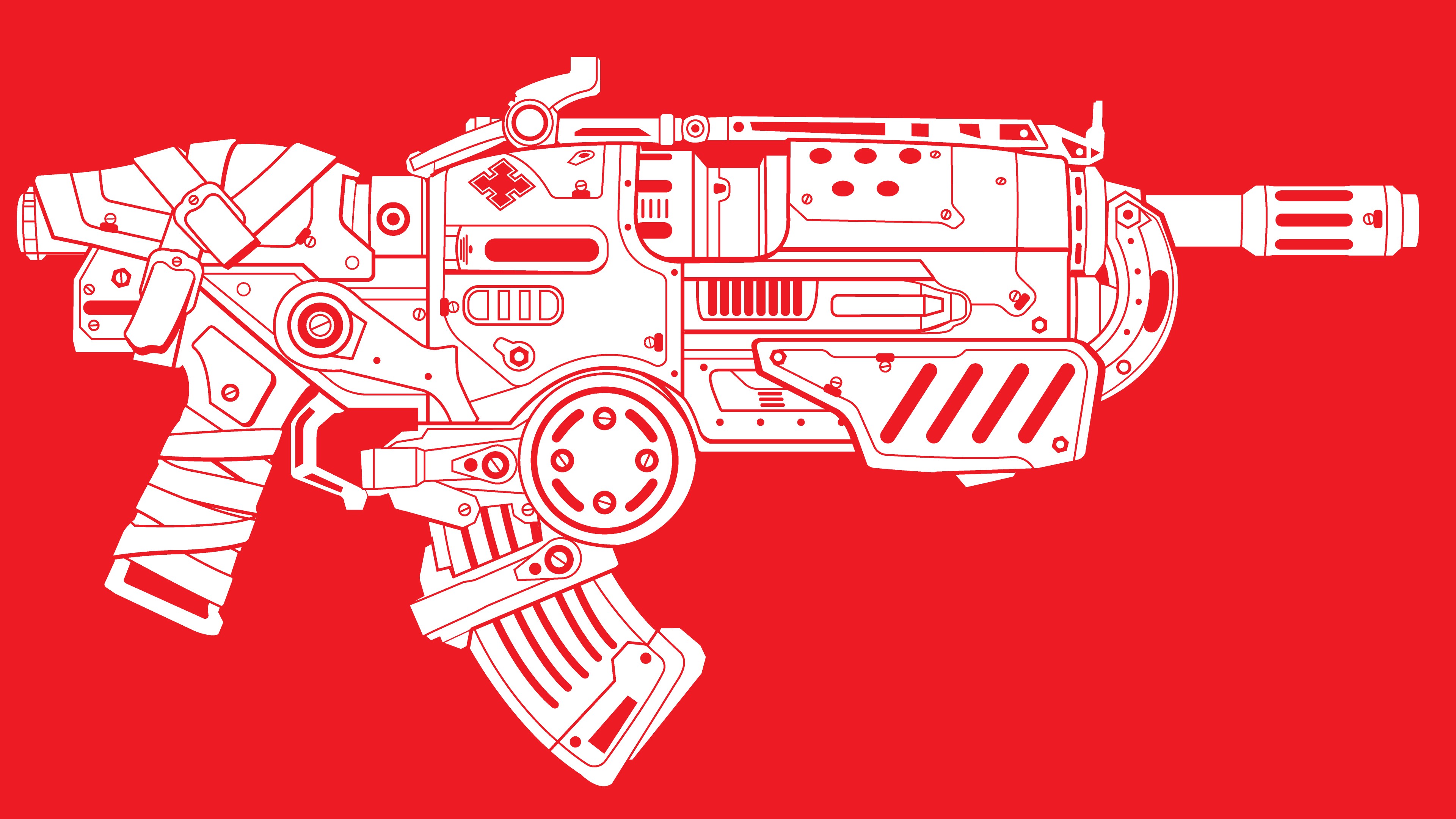
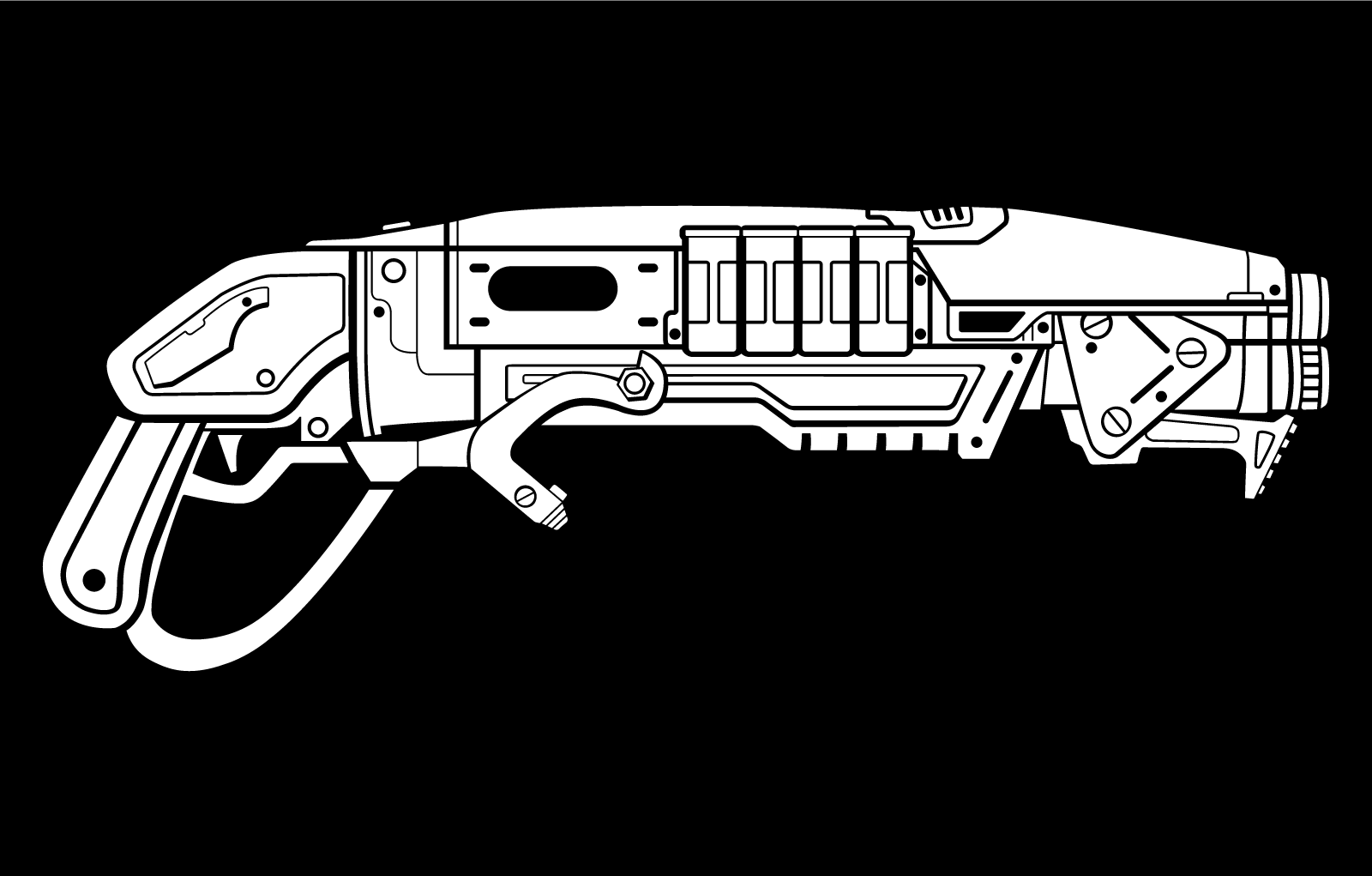
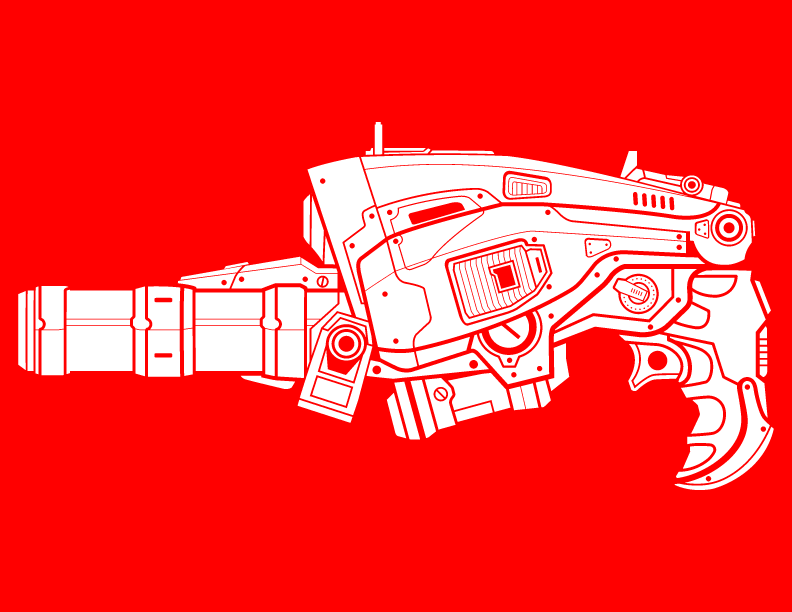
Weapon Icon & Illustration Studies
As part of my game UI studies, I also explored translating complex 3D weapon models into clean, readable 2D vector illustrations. Using iconic weapons from Gears of War as a foundation, I broke down high-detail 3D forms into simplified silhouettes, consistent line weights, and structured shapes suitable for UI use.
Reflection & impact
These studies reinforced how much strong visuals depend on fundamentals—clear forms, thoughtful lighting, and intentional composition. This project has become a space where I can experiment freely, move quickly, and continuously sharpen my visual judgment. Going into future projects, I’ll bring stronger form control, a more confident lighting approach, and a deeper understanding of how assets contribute to a cohesive visual system. Next, I plan to expand this work into small in-engine experiments, more complex material studies, and full scene builds that further explore storytelling, scale, and interaction.